 English
 German
English
German
German
English
German
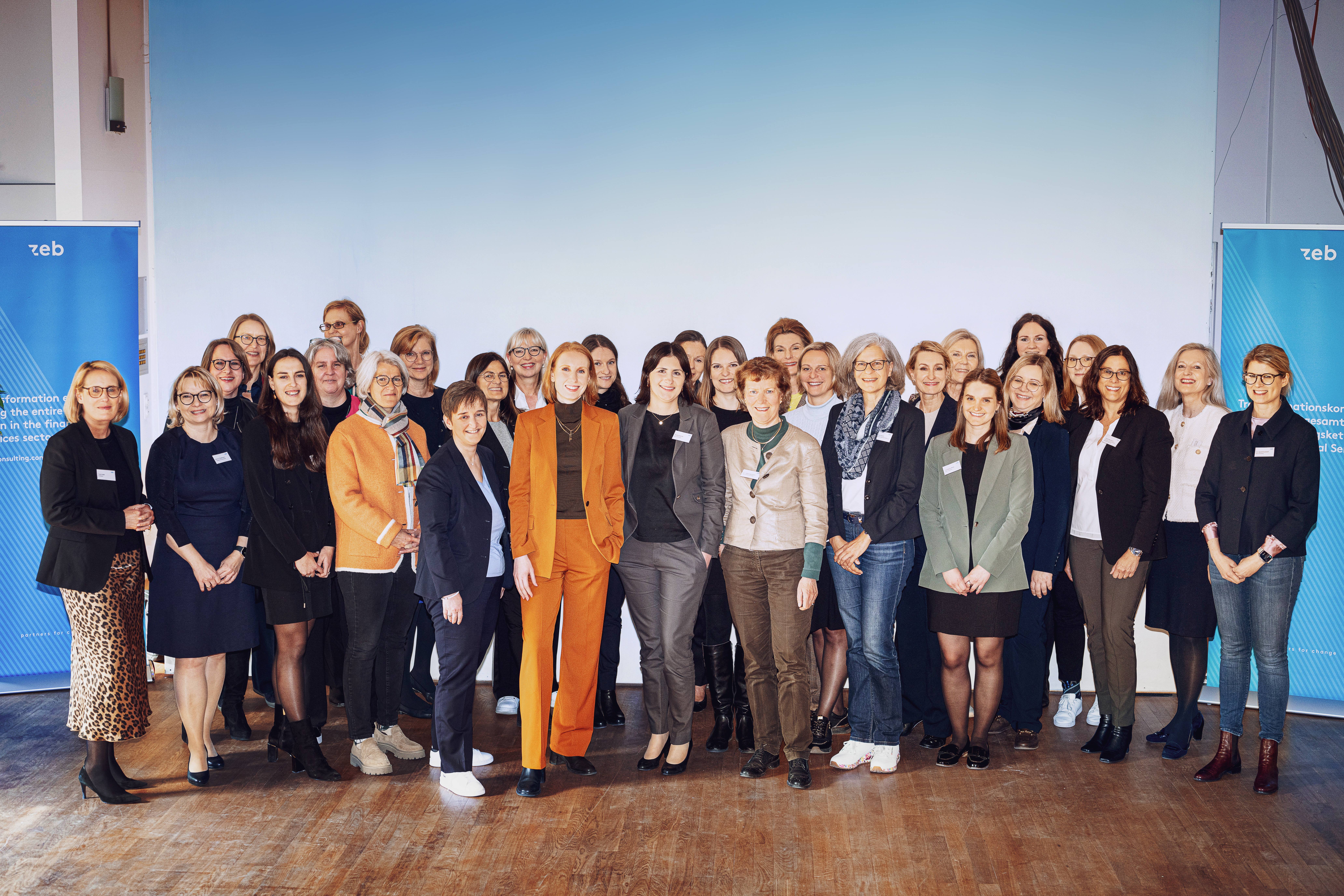
Many different news outlets have already covered the hype surrounding artificial intelligence in great detail. That’s why the focus of our last Great Women network meeting with select female AI experts and decision-makers was on real-world applications of AI in the business models of financial services providers rather than on its shortcomings.
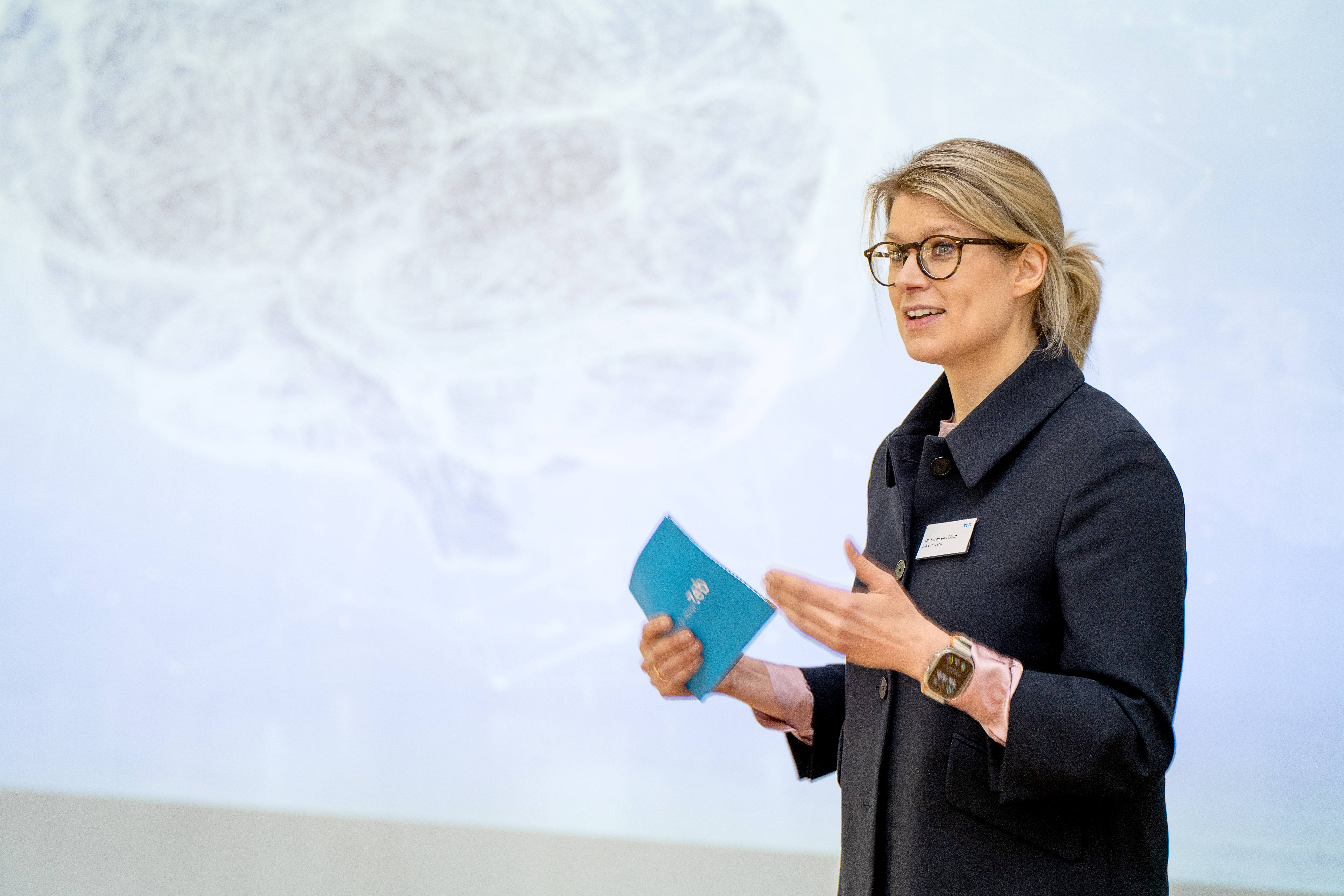
The afternoon event, which took place at the Netzwerk Seilerei in Frankfurt, was kicked off by Dr. Sarah Brockhoff, who argued that on the one hand, these applications were far more numerous and varied than one might expect. On the other hand, there were still clear limitations.

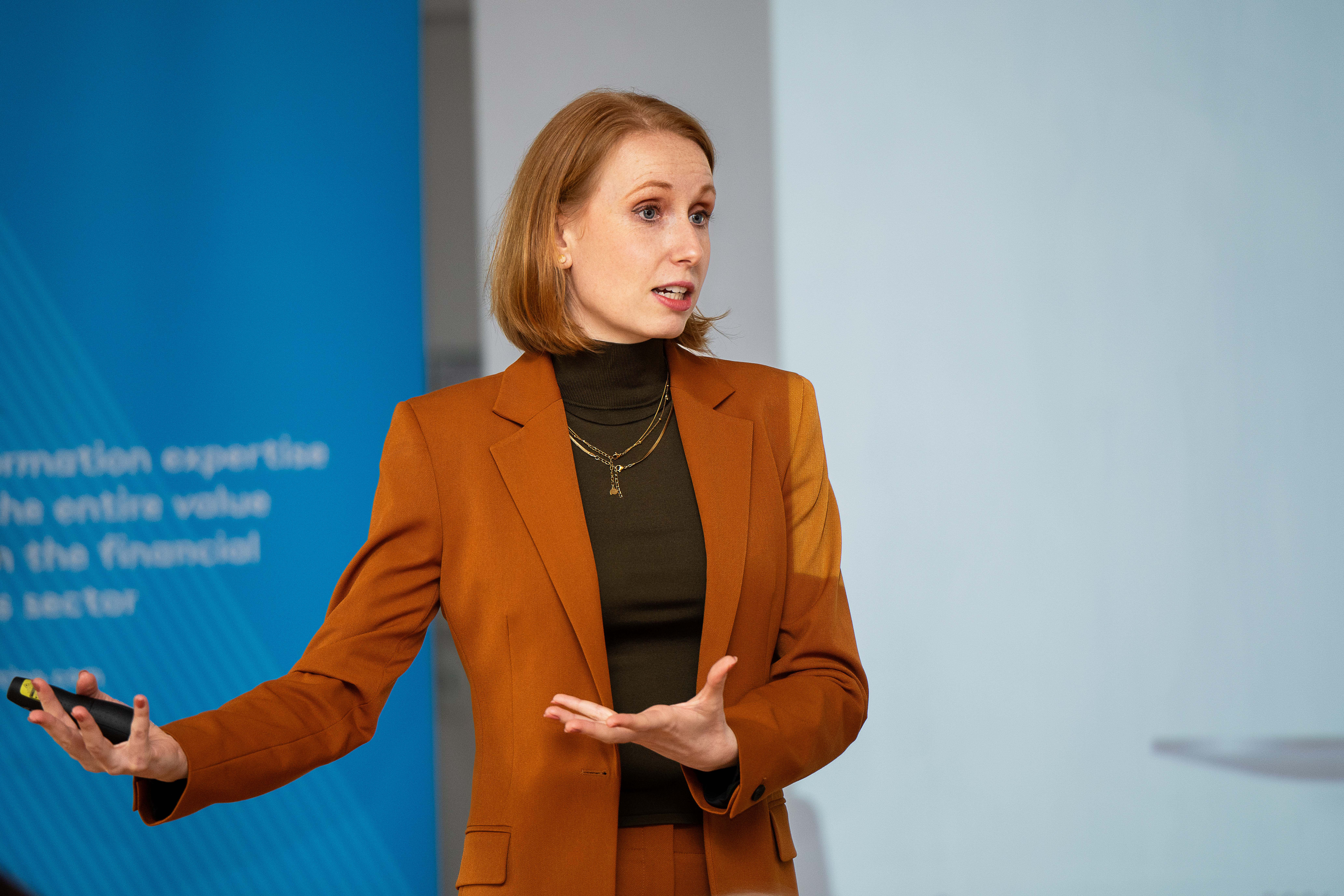
Unsurprisingly, many companies, especially in the USA, are very enthusiastic. However, Vanessa Cann, co-founder of nyonic and the first speaker of the day, pointed out that the commercial use of AI in the European industry was also quite impressive – and not just in the industries one might expect, such as tech, media and telecoms, but also in the financial services industry. .
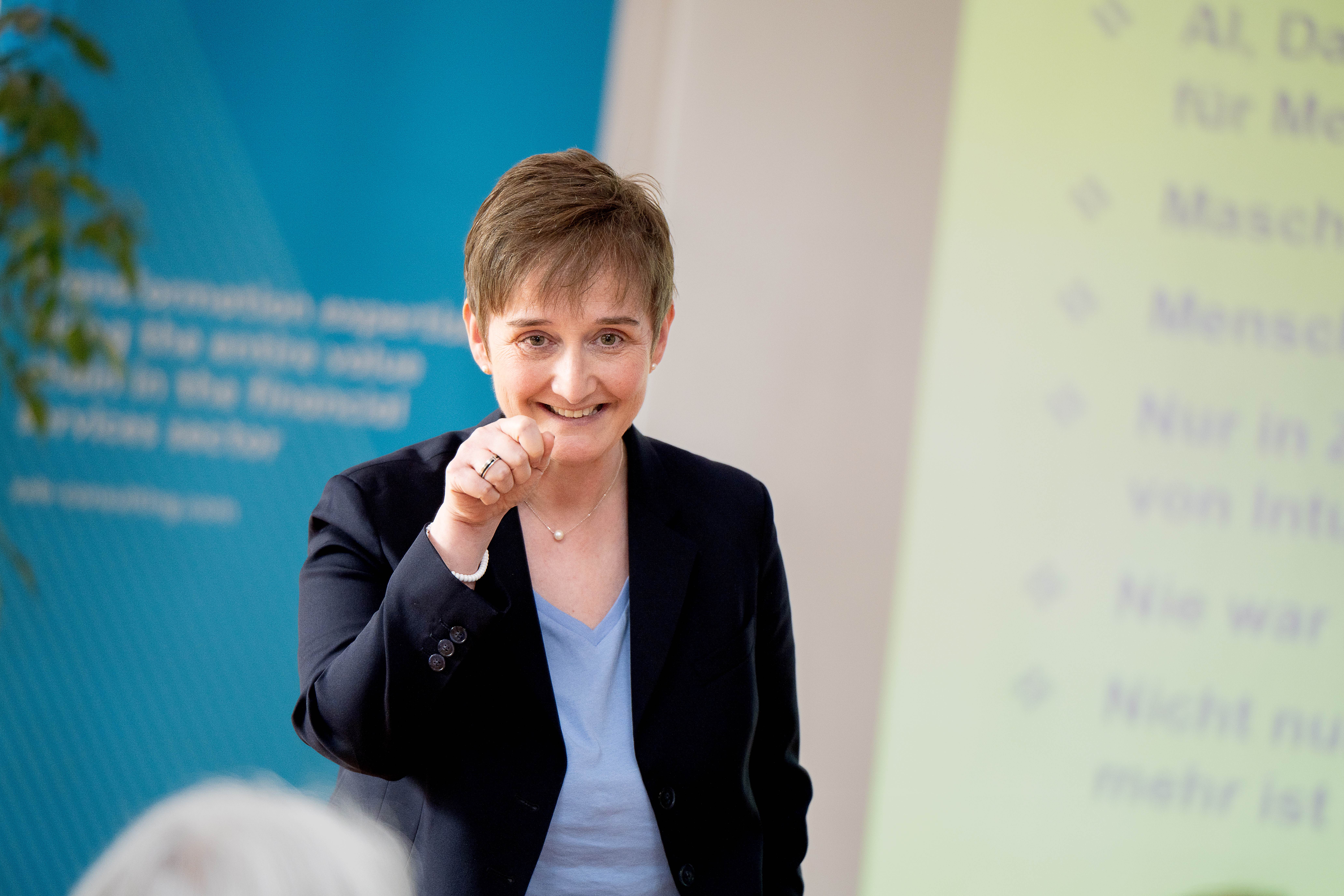
The next speaker was Anja Stolz, member of the R+V Group Executive Board and CMO & Omnichannel Management R+V Group. As an „AI enabler“ in the insurance industry, she delved into that topic a bit more deeply: “Perhaps the term ‘machine learning’ is better suited to describe many of the things we nowadays classify as ‘artificial intelligence’.
However, at the end of the day, the development towards AI is a key success factor of our business model.”
According to Stolz, AI has come to stay – primarily because it bears so much potential along the entire value chain. Moreover, Stolz shared her conviction that without AI, it would be almost impossible to provide truly customer-centric support to millions of customers. She argued that in a knowledge-based, customized service concept, AI would act as an invisible “sidekick” to humans in their endeavor to spark enthusiasm. Nevertheless, she expressed her expectation that human creativity and intuition will remain irreplaceable.
So, there’s no need to worry?
Not really (yet), at least according to zeb Senior Manager and AI expert Anna Schweifel, who explained how she arrived at that conclusion based on six typical personas and zeb project experience.
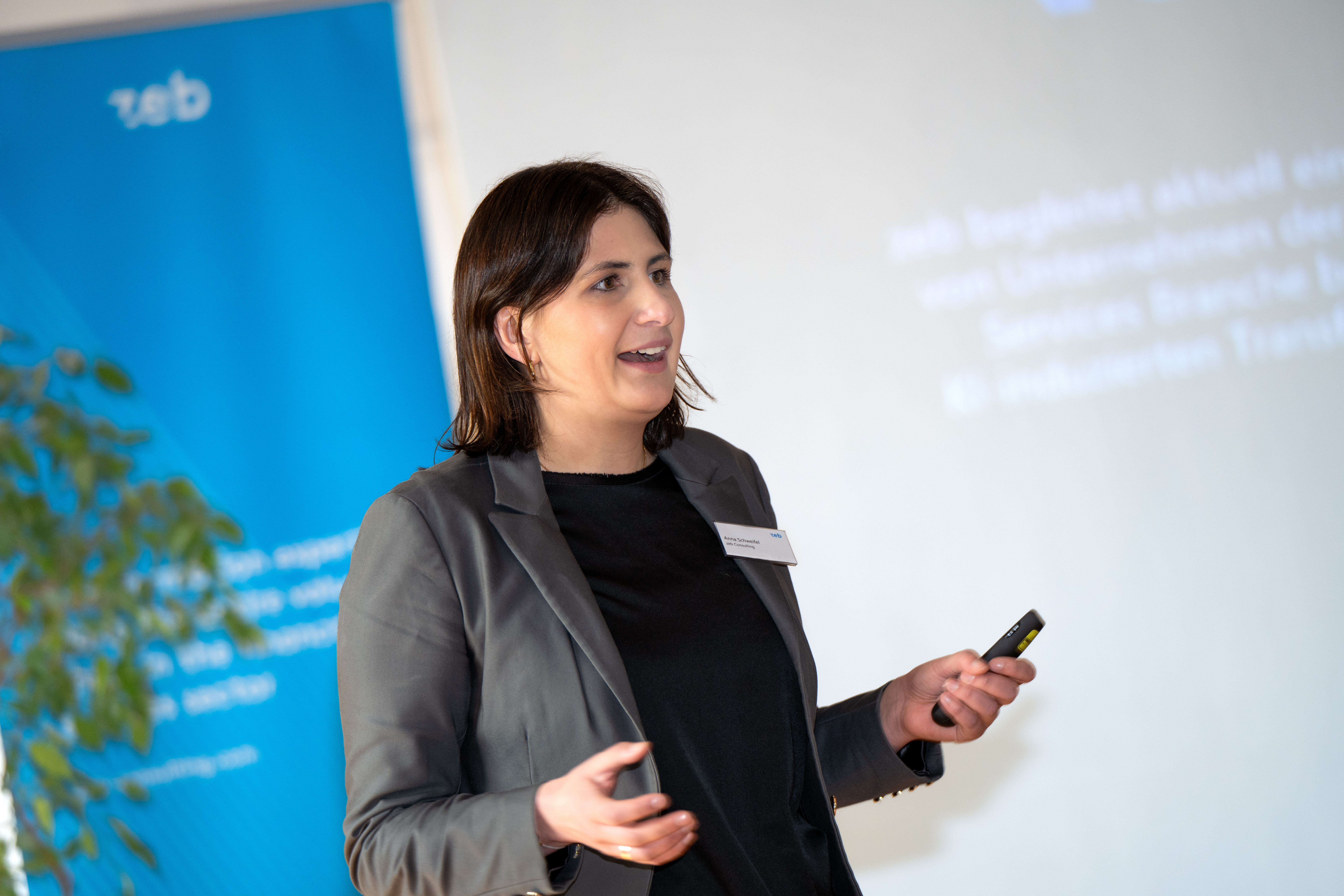
Schweifel argued that, for one thing, the expectations of top managers were often unrealistically high and put unnecessary pressure on AI experts, of which there were still very few. For another, many user groups often made bad experiences due to insufficient knowledge and training, which unfortunately often lead to wrong conclusions. As Anna Schweifel aptly put it: “You can’t build Rome in a day, not even with AI.” According to her, this is precisely why we need realistic expectations, structured training and the willingness to gather experience –step by step.
Schweifel argued that, after all, prompting was the new googling … but it had to be learned. Moreover, she was convinced that experts should keep their concerns in check and be a little more patient.
The key finding of the zeb Great Women afternoon was that financial services is and remains a people business. The AI-induced transformation will also involve sweat and tears. But who would feel deterred by that when there is so much potential to harness?