 English
 German
English
German
German
English
German
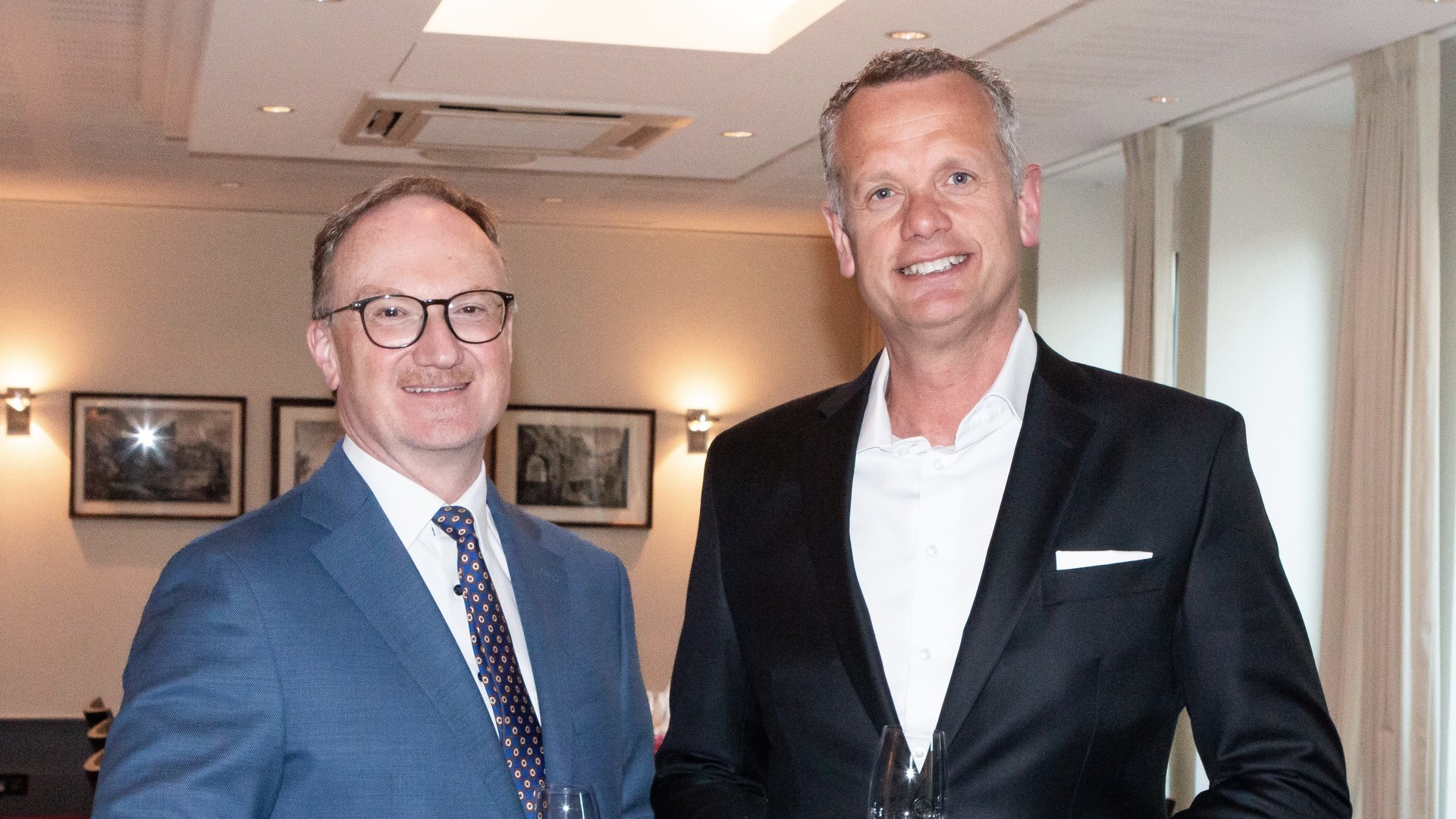
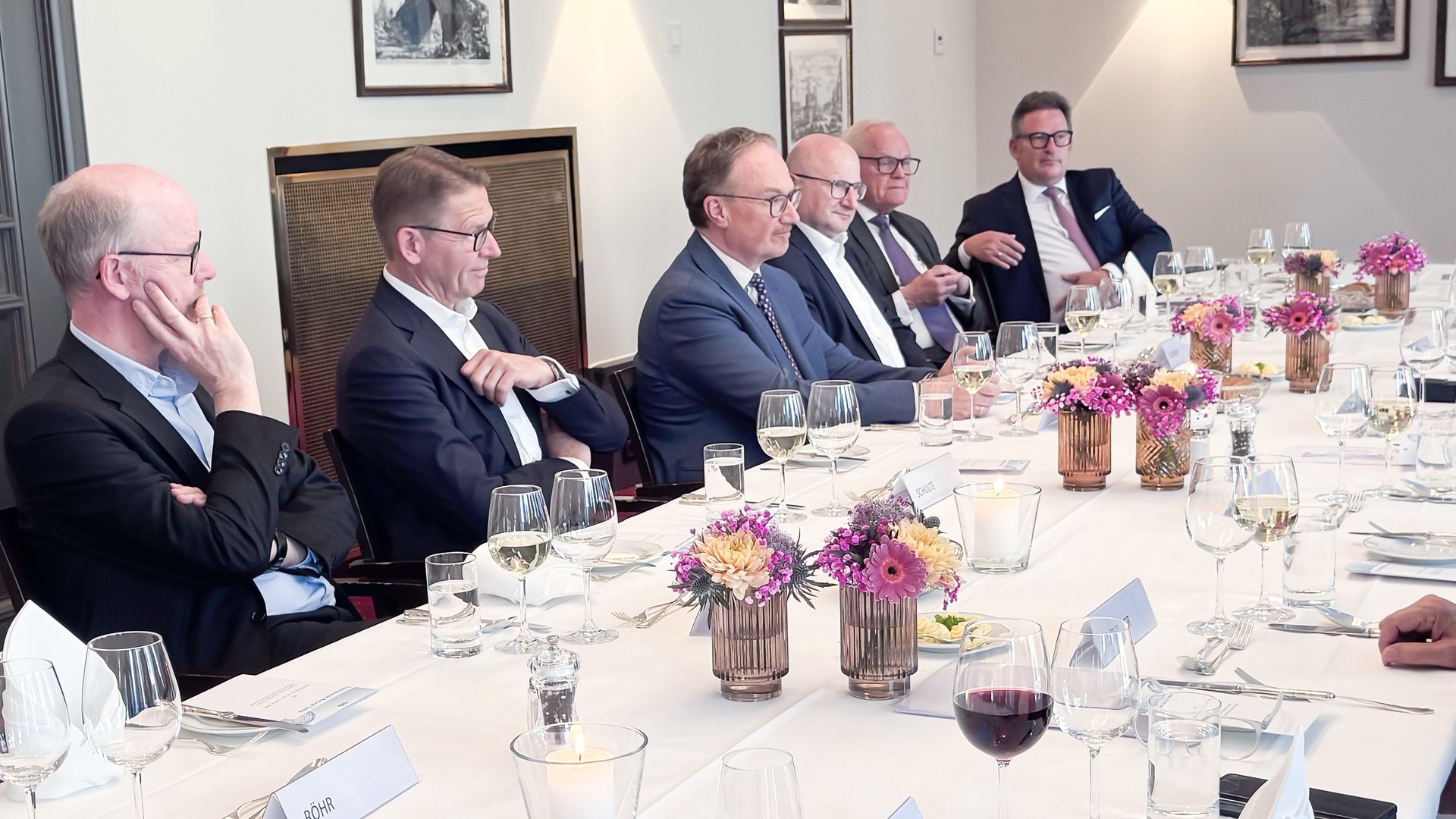
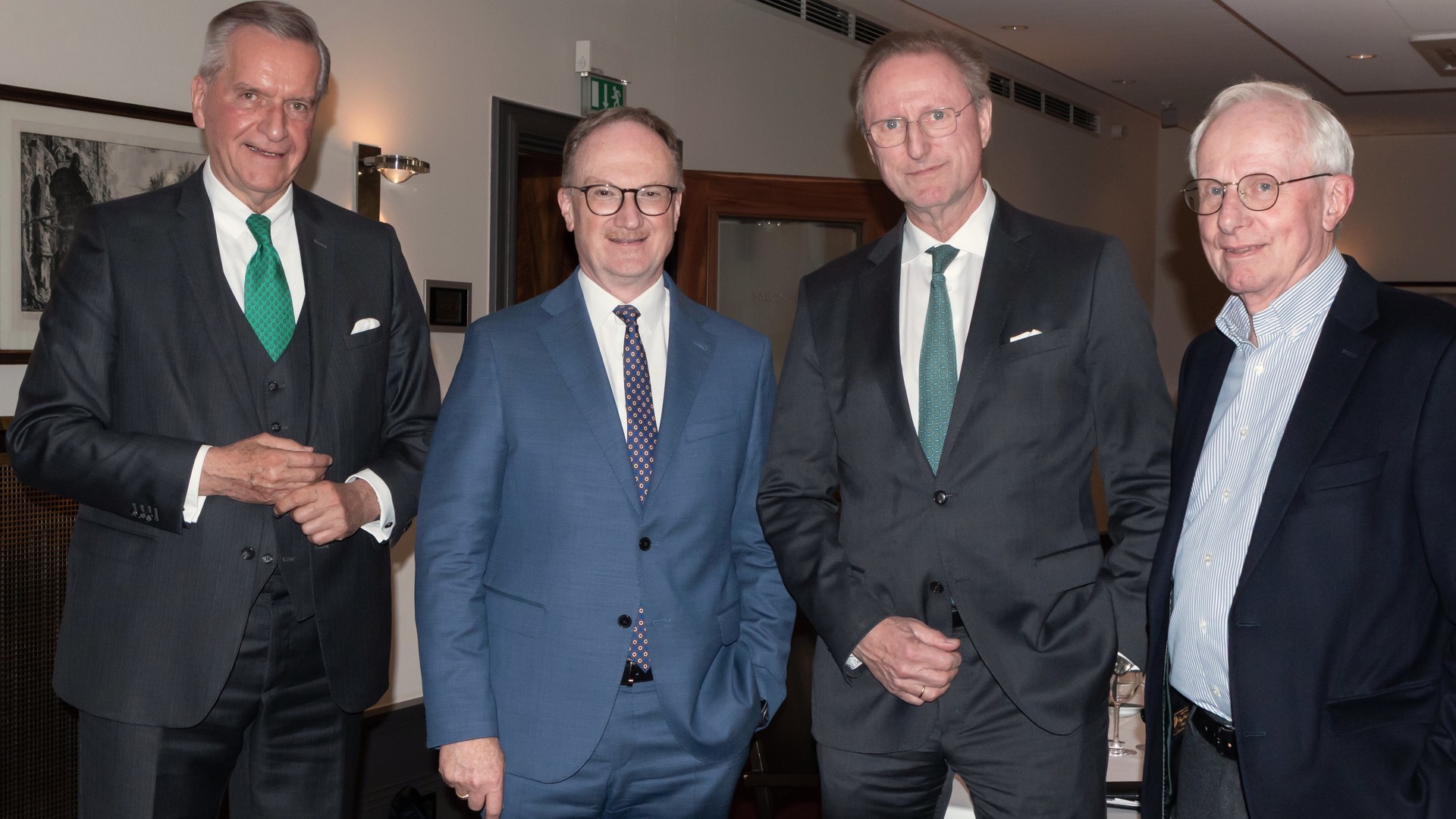
At the Industrie-Club Düsseldorf, Prof. Dr. Lars Feld, Director of the Walter Eucken Institute and long-standing Chairman of the German Council of Economic Experts, discussed the current financial and economic situation with members of the management boards of banks and insurance companies. In his welcoming address and introductory statement, host Thorsten Helbig, Managing Director of zeb, referred to the persistent lack of reforms in this country over the past decade and a half. This, he said, was now clashing with a geopolitical situation characterized by the effects of the war in Ukraine and in the Middle East, the uncertainties in transatlantic relations, the departure from a formerly rules-based international economic order and the disintegration in zones of influence of major powers.
Professor Feld outlined the enormous pressure on politicians to act – but stressed that they now had to finally deliver. As an advocate of supply-side economics, he warned urgently against structural deficits. He saw Germany in a deep structural crisis and called for a move away from pure subsidy policy towards more competition. Feld emphasized that Germany did not have a demand problem, but a massive supply problem, as the country had simply become too expensive for investment. In order to restore competitiveness, he called for a reduction in labor costs.
In his remarks, the Freiburg economics professor also warned urgently that Germany was in danger of being left behind by international competitors and was losing ever more ground. He added that the problems were mostly home-made: too high energy costs, too much bureaucracy, but too little innovation. His credo: more courage, more speed, more entrepreneurship. If the problems were not solved, the frustration in the country would grow and with it the strength of the political fringes, he feared.
His conclusion was clear: Germany did not need an ongoing standstill but finally needed to “look forward to the future” again. As an example, he said that a comprehensive tax reform was required: “It would be just the right signal that something is changing for the better in Germany.” A major tax reform was ambitious and demanding, but “in the current situation, Germany can no longer afford to be unambitious,” Feld argued.